
x

N I T


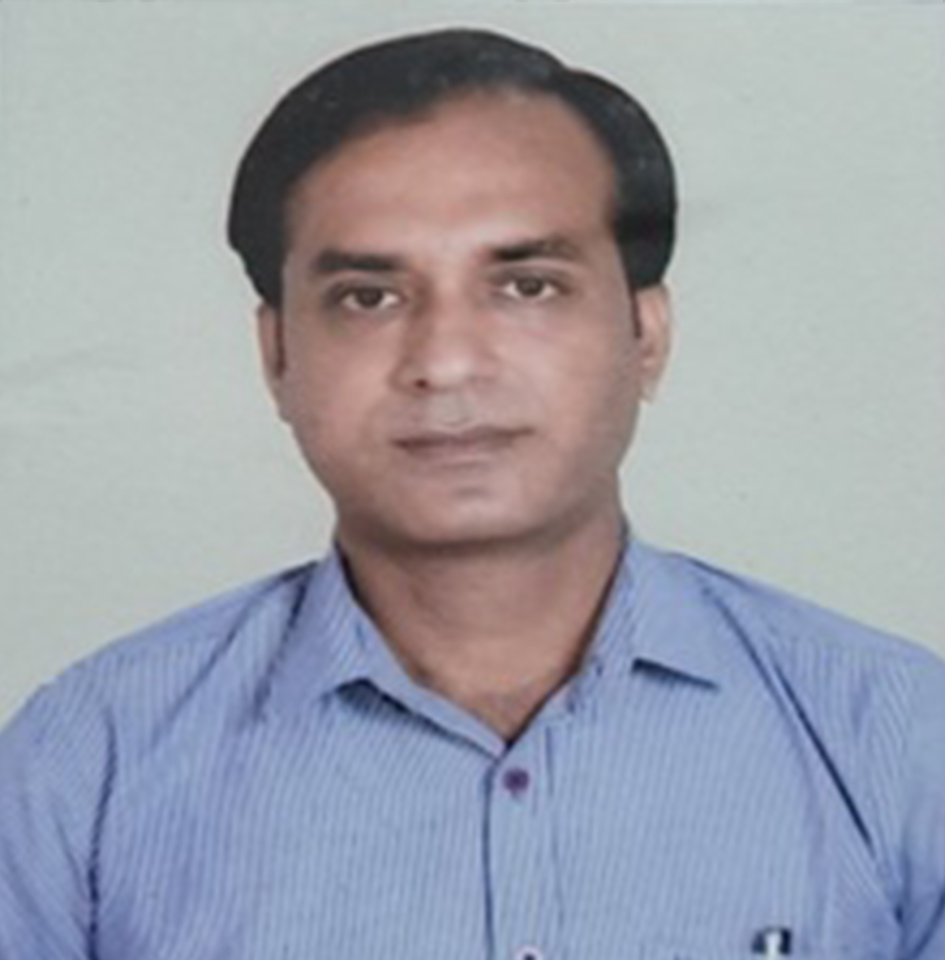
HOD Message
Department of Mechanical Engineering
Narula Institute of Technology
Dear Students and Visitors,
It gives me immense pleasure to welcome you to the Department of
Mechanical Engineering at Narula Institute of Technology. Since
our inception in 2014, we have remained committed to excellence
in education, innovation, and holistic student development.
Here's a brief overview of what makes our department a dynamic
and rewarding place to learn and grow:
NBA Accredited: A mark of our commitment to high academic
standards and continuous improvement.
Experienced Faculty & Dedicated Staff: Our team of highly
qualified educators and technical staff are passionate about
mentoring and shaping future engineers.
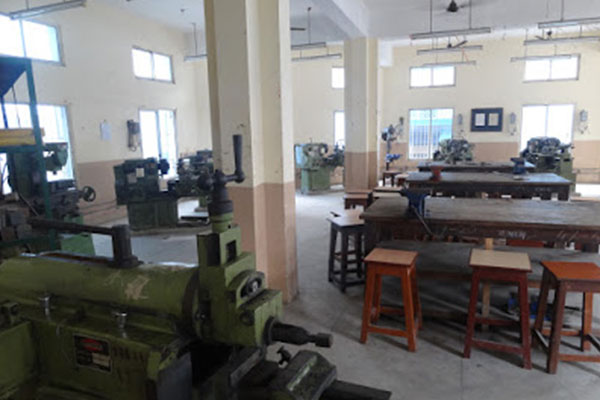
- Advanced Laboratory Infrastructure:
Well-equipped labs with modern tools and equipment as per the curriculum. Facilities designed to promote practical learning and experimentation beyond the syllabus.
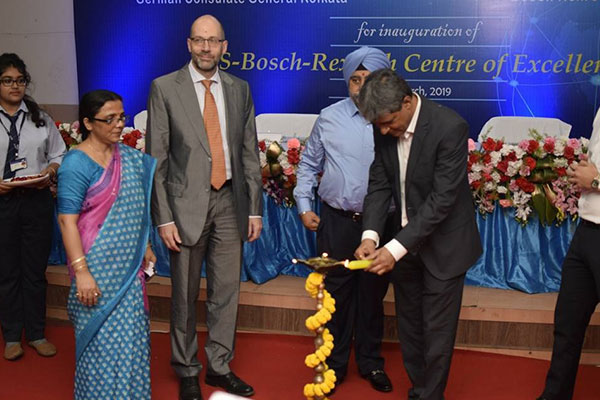
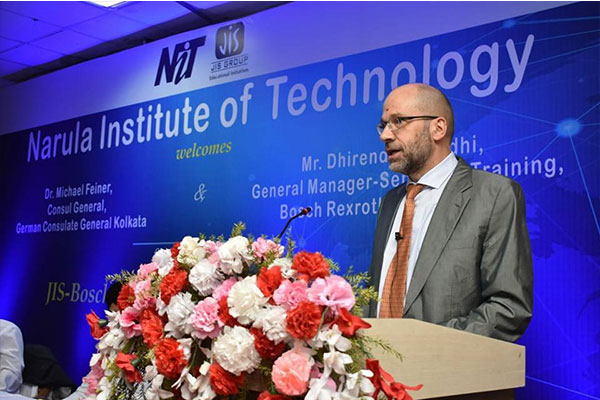
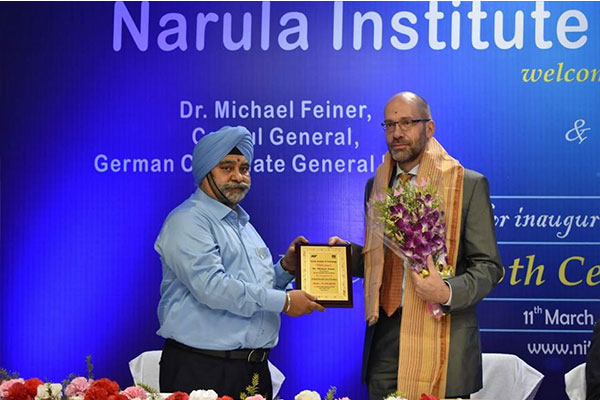
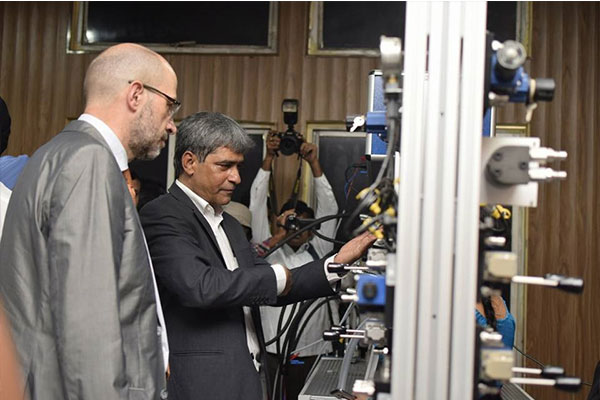
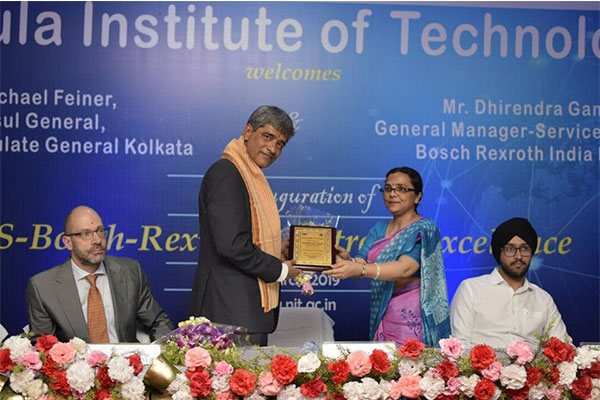
- JIS-BOSCH Centre of Excellence:
A premier training and research facility focused onFluid Power Control systems. Provides hands-on exposure, industrial collaboration, and research opportunities for both students and faculty.
- Focus on Innovation and Industry Readiness:
Emphasis on skill development, technical competence, and problem-solving. Regular workshops, industrial visits, and expert lectures of experts from industry to bridge the gap between classroom learning and industry demands.
- Student Success & Career Support:
Strong placement records in reputed companies and PSUs.
Encouragement and support for higher studies, competitive exams,
and entrepreneurship.
As the Head of the Department, I am proud of our achievements
and enthusiastic about our future. I invite you to be part of
our journey—where learning meets innovation and aspirations turn
into reality.
Overview
It gives me immense pleasure to welcome you to theDepartment of Mechanical EngineeringatNarula Institute of Technology. Since our inception in 2014, we have remained committed to excellence in education, innovation, and holistic student development. Here's a brief overview of what makes our department a dynamic and rewarding place to learn and grow:
Vision
The Mechanical Engineering Department will mould their students into technically sound as well as ethically perfect professionals who demonstrate innovation in the field of Mechanical Engineering, entrepreneurial vision and a confident attitude for serving the society with global attention.
Mission
- DM1: To impart a thorough knowledge of various core engineering subjects to our entire undergraduate students for ascertaining their fundamental strength in mechanical engineering.
- DM2: To expose our students to a curriculum consisting of modern laboratories, interdisciplinary subjects and industrial trainings in such a way that they get international exposure in world class industries.
- DM3: To train our students with modern drafting & analysis software for developing their computational capabilities as well as promoting higher studies and research works.
- DM4: To nurture innovation, leadership, teamwork, and entrepreneurial mindset through project-based learning, enabling students to become job creators, innovators, and globally competent professionals.
- DM5: To build strong ethical qualities in the students for lifelong learning and serving the society and nation as a whole.
Program Outcomes (B.Tech)
- PO1: Engineering Knowledge: Apply knowledge of mathematics, natural science, computing, engineering fundamentals and an engineering specialization as specified in WK1 to WK4 respectively to develop solutions to complex engineering problems.
- PO2: Problem Analysis: Identify, formulate, review research literature and analyze complex engineering problems reaching substantiated conclusions with consideration for sustainable development. (WK1 to WK4)
- PO3: Design/Development of Solutions: Design creative solutions for complex engineering problems and design/develop systems, components, and processes to meet identified needs with consideration for public health and safety, whole-life cost, net zero carbon, culture, society, and the environment as required. (WK5)
- PO4: Conduct Investigations of Complex Problems: Conduct investigations of complex engineering problems using research-based knowledge including design of experiments, modelling, analysis, and interpretation of data to provide valid conclusions. (WK8)
- PO5: Engineering Tool Usage: Create, select, and apply appropriate techniques, resources, and modern engineering & IT tools, including prediction and modelling, recognizing their limitations to solve complex engineering problems. (WK2 and WK6)
- PO6: The Engineer and The World: Analyze and evaluate societal and environmental aspects while solving complex engineering problems for their impact on sustainability with reference to economy, health, safety, legal framework, culture, and environment. (WK1, WK5, and WK7)
- PO7: Ethics: Apply ethical principles and commit to professional ethics, human values, diversity and inclusion; adhere to national and international laws. (WK9)
- PO8: Individual and Collaborative Team Work: Function effectively as an individual and as a member or leader in diverse and multidisciplinary teams.
- PO9: Communication: Communicate effectively and inclusively within the engineering community and society at large by comprehending and writing effective reports and design documentation, making effective presentations, and considering cultural, language, and learning differences.
- PO10: Project Management and Finance: Apply knowledge and understanding of engineering management principles and economic decision-making to one's own work, as a member and leader in a team, and to manage projects in multidisciplinary environments.
- PO11: Life-Long Learning: Recognize the need for, and have the preparation and ability for (i) independent and life-long learning, (ii) adaptability to new and emerging technologies, and (iii) critical thinking in the broadest context of technological change. (WK8)
Program Specific Outcomes (B.Tech)
- PSO1: Ability to apply necessary advanced software tools for design, analysis and fabrication of components used in the field of mechanical engineering.
- PSO2: Develop knowledge about engines, machineries and critical skills to analyze the cause and effect of complicated mechanical processes.
- PSO3: Identify and select appropriate manufacturing processes, and apply quality control methods for production of various components and systems.
Program Educational Objectives (PEO)
- PEO1: Graduates will serve as mechanical engineers in various fields towards the design of systems, operation, and production.
- PEO2: Graduates will strengthen professional practice by solving different industrial problems employing appropriate techniques and tools with social responsibility to achieve global standards.
- PEO3: Graduates will pursue higher studies, research, and lifelong learning.
program
Under Graduate
B.Tech in Mechanical Engineering
Duration: 4 Years
Degree
B.Tech
Intake
60
Diploma
Diploma in Mechanical Engineering
Duration: 2 Years
Degree
Diploma
Intake
60
BOS
BOS Composition
BOS Minutes
Faculty Details
Infrastructure
Mechanical Department Labwise Equipment & Instrument
| Laboratory No. | Name of the Laboratory | Important Equipment | No. of Students per Setup (Batch Size) | Utilization |
|---|---|---|---|---|
| Lab 1 | Engineering Graphics &
Design (ME-191/291) |
Photo Phase Overload Projector MKT | 30 | Utilized |
| Wooden Drawing Board – 18” X 26” (76 Nos) | ||||
| Wooden Drawing Board – 18” X 26” (5 Nos) | ||||
| Wooden Drawing Board (130 Nos) – (850 X 660) mm² | ||||
| Lab 2 | Workshop and Manufacturing
Practice (ME-192/292) |
Spot Welding Machine | 30 | Utilized |
| Shaping Machine | ||||
| Central Lathe | ||||
| Power Shaw Machine | ||||
| Grinding Machine (Cylindrical) | ||||
| MIG Welding | ||||
| Acetylene Regulator | ||||
| Arc Welding Transformer | ||||
| Drill Machine | ||||
| Radial Drill Machine | ||||
| Surface Plate | ||||
| Vernier Height Gauge | ||||
| Spot Welding Machine | ||||
| MIG Welding | ||||
| Acetylene Regulator | ||||
| Arc Welding Transformer | ||||
| Workshop Accessories | ||||
| Lab 3 | Material Testing
Lab (ME-391) |
Hardness Testing Machine | 30 | Utilized |
| Impact Testing Machine | ||||
| Universal Testing Machine | ||||
| Torsion Testing Machine | ||||
| Compression Testing Machine | ||||
| Fatigue Test Machine | ||||
| Muffle Furnace | ||||
| Lab 4 | Fluid Mechanics & Fluid
Machines (ME-491) |
Determination of Hydraulic Co-efficient | 30 | Utilized |
| Calibration RIG for Orifice & Venturi Meter | ||||
| V-Notch Tank Apparatus (Closed Circuit) | ||||
| Centrifugal Pump Test RIG | ||||
| Reciprocating Pump Test RIG | ||||
| Pelton Turbine Test RIG | ||||
| Francis Turbine Test RIG | ||||
| Hydraulic RAM Test RIG (Closed Circuit) | ||||
| Bernoulli’s Theorem | ||||
| Determination of Metacentric Height of a Floating Vessel | ||||
| Lab 5 | Dynamics of Machine (ME-492) |
Bi-Filar Suspension Apparatus | 30 | Utilized |
| Balancing of Reciprocating Masses | ||||
| Static and Dynamic Balancing Apparatus | ||||
| Motorised Gyroscope Apparatus | ||||
| Cam Analysis Apparatus | ||||
| Governor Apparatus | ||||
| Lab 6 | Heat Transfer &
Refrigeration Lab (ME-591) |
Double Stage Air Compressor Test RIG with Panel | 30 | Utilized |
| Combined Throttling & Separating Calorimeter | ||||
| Thermal Conductivity of Metal Bar Test Setup | ||||
| Thermal Conductivity of Insulating Powder | ||||
| Equipment for Heat Transfer from Pin Fin | ||||
| Emissivity Measuring Apparatus | ||||
| Parallel Flow & Counter Flow Heat Exchanger | ||||
| Thermo-Electric Refrigeration System | ||||
| General Cycle Refrigeration Trainer | ||||
| Recirculating Type Air Conditioner Trainer | ||||
| Lab 7 | Manufacturing
Technology (ME-592) |
Sand Preparation & Testing Setup | 30 | Utilized |
| Tilting Type Non-Ferrous Metal Melting Furnace | ||||
| Open Hearth Furnace | ||||
| Swage Block – 15” X 15” X 15” | ||||
| Anvil with Stand | ||||
| Mould Box – 300 X 250 X 100 mm | ||||
| Hand Ladle | ||||
| Gate Cutter | ||||
| Sine Bar | ||||
| Slip Gauge | ||||
| Depth Vernier Caliper | ||||
| Roughness Tester | ||||
| Profile Projector | ||||
| Thermocouple Study Kit with Thermometer | ||||
| Strain Gauge Study Kit with Rock Beam | ||||
| Anemometer Apparatus with Digital Anemometer | ||||
| Universal Bevel Protector | ||||
| Lab 8 | I.C. Engine (ME-691) |
Bomb Calorimeter | 30 | Utilized |
| Flash & Fire Point Analyzer (Open System) | ||||
| Flash Point Analyzer (Closed System) | ||||
| Model of Boiler (Cochran Boiler) | ||||
| Horizontal Fire Tube Boiler | ||||
| Cut Section Model of 2-Stroke Petrol Engine | ||||
| Cut Section Model of 2-Stroke Diesel Engine | ||||
| Cut Section Model of 4-Stroke Petrol Engine (Single Cylinder) | ||||
| Cut Section Model of 4-Stroke Diesel Engine (Single Cylinder) | ||||
| 4-Stroke Single Cylinder Diesel Engine with Rope Brake | ||||
| 4-Stroke Single Cylinder Petrol Engine with Rope Brake | ||||
| 4-Stroke Single Cylinder Diesel Engine with Electric Brake | ||||
| 4-Stroke Multi Cylinder Petrol Engine with Electric Brake | ||||
| Stop Watch | ||||
| Tacho Meter | ||||
| Digital Electronic Balance | ||||
| Lab 9 | Fluid Power Control
Lab (ME-692 C) |
Hydraulic Training System | 30 | Utilized |
| Work Station | ||||
| Pneumatic Kit | ||||
| Pneumatic Compressor | ||||
| Cabinet | ||||
| Box | ||||
| Lab 10 | Advanced Manufacturing
Lab (ME-791) (CNC Machine & Robotics Lab) |
Educational Robot (R24) | 30 | Utilized |
| CNC Lathe Machine | ||||
| 3D Printer |
R & D
| Academic Year | No. of SCI / Scopus Journals | No. of Books / Book Chapters | No. of Conferences | No. of IPR |
| 2022-23 | 3 | 0(Book) + 3 | 1 | 0 |
| 2023-24 | 5 | 1 (Book) + 3 | 3 | 0 |
| 2024-25 | 4 | 0(Book) + 4 | 2 | 0 |
Events
| Year | No of Events/Webinar/Seminar/Workshops |
| 2024-25 | 6 |
| 2023-24 | 4 |
| 2022-23 | 3 |
| 2021-22 | 6 |
| 2020-21 | 15 |
| 2019-20 | 5 |
| 2018-19 | 3 |
For Brouchre
Events Details
Photo Gallery