
x

N I T


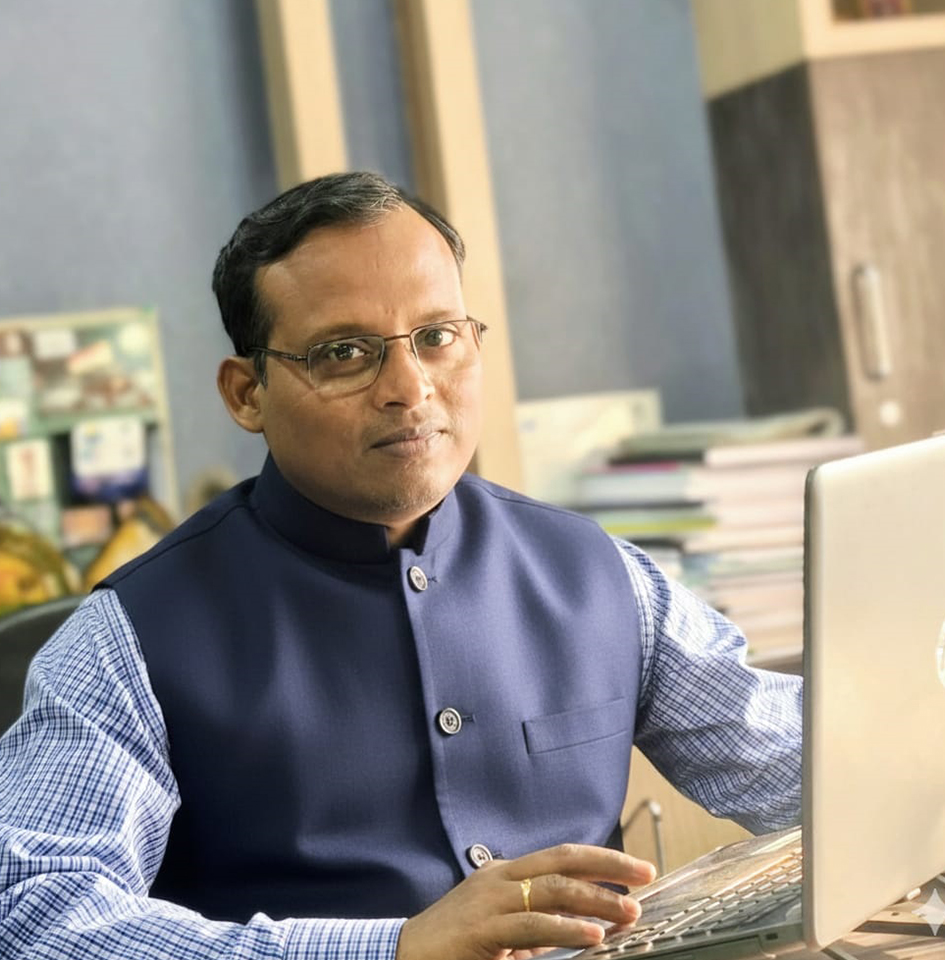
HOD Message
The Department of Electronics and Computer Science at Narula Institute of Technology stands as a beacon of innovation and academic excellence. The program integrates the core strengths of Electronics and Computer Science Engineering to meet current industry demands. In alignment with Industry 5.0, which emphasizes intelligent machines and human-centric solutions, the curriculum offers a balanced blend of hardware and software technologies to prepare students for emerging industrial advancements. This multifaceted program enables students to become versatile and multi-skilled professionals. A well-structured combination of theory and laboratory sessions enhances students’ technical competencies and prepares them for both professional careers and research pursuits. The department also places equal emphasis on co-curricular and extracurricular activities, organizing conferences, workshops, seminars, and other technical events to support the holistic development of students. Faculty members adopt modern teaching methodologies and leverage 21st-century technologies to deliver content effectively in classrooms and laboratories. Beyond teaching, they actively guide students in developing innovative projects and contribute significantly to their respective fields through patents, research publications in reputed journals and conferences, sponsored research projects, and book publications. The department also conducts training programs and workshops for teachers and researchers, inviting experts from reputed industries and organizations. The collective expertise, academic practices, infrastructure, and quality assurance measures create a dynamic and experiential learning environment that empowers students to excel in diverse career paths. The department strongly emphasizes imparting high-quality technical knowledge, strengthening project-based learning, and preparing students for employment in both software and core industries. The program is designed to develop and enhance essential skills that improve employability. A strong foundation in both electronics and coding opens a wide range of career opportunities in emerging technological domains.
We warmly welcome students to be a part of Narula Institute of Technology and start their journey toward building a successful engineering career.
Dr. Bikas Mondal
HOD, ECS Dept, Narula Institute of Technology
Overview
The Department of Electronics and Computer Science at Narula Institute of Technology stands as a beacon of innovation and academic excellence. The program integrates the core strengths of Electronics and Computer Science Engineering to meet current industry demands. In alignment with Industry 5.0, which emphasizes intelligent machines and human-centric solutions, the curriculum offers a balanced blend of hardware and software technologies to prepare students for emerging industrial advancements. This multifaceted program enables students to become versatile and multi-skilled professionals. A well-structured combination of theory and laboratory sessions enhances students’ technical competencies and prepares them for both professional careers and research pursuits. The department also places equal emphasis on co-curricular and extracurricular activities, organizing conferences, workshops, seminars, and other technical events to support the holistic development of students. Faculty members adopt modern teaching methodologies and leverage 21st-century technologies to deliver content effectively in classrooms and laboratories. Beyond teaching, they actively guide students in developing innovative projects and contribute significantly to their respective fields through patents, research publications in reputed journals and conferences, sponsored research projects, and book publications. The department also conducts training programs and workshops for teachers and researchers, inviting experts from reputed industries and organizations. The collective expertise, academic practices, infrastructure, and quality assurance measures create a dynamic and experiential learning environment that empowers students to excel in diverse career paths. The department strongly emphasizes imparting high-quality technical knowledge, strengthening project-based learning, and preparing students for employment in both software and core industries. The program is designed to develop and enhance essential skills that improve employability. A strong foundation in both electronics and coding opens a wide range of career opportunities in emerging technological domains.
Vision
To developed self-driven, innovative, and ethically skilled Electronics & Computer Science Engineers with outstanding technical competency in software and hardware to impart research aptitude for societal benefit.
Mission
- M1: To bolster a strong foundation of Engineering fundamentals among the students.
- M2: To spread the awareness among the students towards the field of Electronics and Computer Science Engineering.
- M3: To make students industry-compliant and job ready in this field both in core and software industries.
- M4: To encourage the students for preparation of GATE/GRE/GMAT/CAT/PGET examinations.
Program Educational Objectives (B.Tech)
- PEO1: PO1: Apply the knowledge of mathematics, science, engineering fundamentals, and an engineering specialization to the solution of complex engineering problems.
- PEO2: PO2: Identify, formulate and analyze complex engineering problems using first principles of mathematics, management and engineering.
- PEO3: PO3: Design/development of solutions: Design solutions for complex engineering problems and design system components or processes that meet the specified needs with appropriate consideration for the public health and safety, and the cultural, societal, and environmental considerations.
- PEO4: PO4: Conduct investigations of complex problems using research-based knowledge and research methods including design of experiments, analysis and interpretation of data and synthesis of information to provide valid conclusions.
- PEO5: PO5: Create, select and apply appropriate state-of-the-art techniques, resources and modern engineering and computing tools with an understanding of the limitations.
- PEO6: PO6: Apply reasoning informed by contextual knowledge to assess societal, health, safety, legal and cultural issues and the consequent responsibilities relevant to professional engineering practice.
- PEO7: PO7: Understand the impact of professional engineering solutions in societal and environmental contexts and demonstrate knowledge of and need for sustainable development.
- PEO8: PO8: Apply ethical principles and commit to professional ethics and responsibilities and norms of engineering practice.
- PEO9: PO9: Function effectively as an individual, and as a member or leader in multidisciplinary teams.
- PEO10: PO10: Communicate effectively on complex engineering activities with the engineering community and with society at large, such as being able to comprehend and write effective reports and design documentation, make effective presentations and give and receive clear instructions.
- PEO11: PO11: Recognize the need for and have the preparation and ability to engage in independent and life- long learning in the broadest context of technological change.
- PEO12: PO12: Demonstrate knowledge and understanding of engineering and management principles and apply these to one’s own work, as a member and leader in a team, to manage projects and in multidisciplinary environments.
Program Outcomes (B.Tech)
- PO1: Apply the knowledge of mathematics, science, engineering fundamentals, and an engineering specialization to the solution of complex engineering problems.
- PO2: Identify, formulate and analyze complex engineering problems using first principles of mathematics, management and engineering.
- PO3: Design/development of solutions: Design solutions for complex engineering problems and design system components or processes that meet the specified needs with appropriate consideration for the public health and safety, and the cultural, societal, and environmental considerations.
- PO4: Conduct investigations of complex problems using research-based knowledge and research methods including design of experiments, analysis and interpretation of data and synthesis of information to provide valid conclusions.
- PO5: Create, select and apply appropriate state-of-the-art techniques, resources and modern engineering and computing tools with an understanding of the limitations.
- PO6: Apply reasoning informed by contextual knowledge to assess societal, health, safety, legal and cultural issues and the consequent responsibilities relevant to professional engineering practice.
- PO7: Understand the impact of professional engineering solutions in societal and environmental contexts and demonstrate knowledge of and need for sustainable development.
- PO8: Apply ethical principles and commit to professional ethics and responsibilities and norms of engineering practice.
- PO9: Function effectively as an individual, and as a member or leader in multidisciplinary teams.
- PO10: Communicate effectively on complex engineering activities with the engineering community and with society at large, such as being able to comprehend and write effective reports and design documentation, make effective presentations and give and receive clear instructions.
- PO11: Recognize the need for and have the preparation and ability to engage in independent and life- long learning in the broadest context of technological change.
- PO12: Demonstrate knowledge and understanding of engineering and management principles and apply these to one’s own work, as a member and leader in a team, to manage projects and in multidisciplinary environments.
Program Specific Outcomes (B.Tech)
- PSO1: PO1: Apply the knowledge of mathematics, science, engineering fundamentals, and an engineering specialization to the solution of complex engineering problems.
- PSO2: PO2: Identify, formulate and analyze complex engineering problems using first principles of mathematics, management and engineering.
- PSO3: PO3: Design/development of solutions: Design solutions for complex engineering problems and design system components or processes that meet the specified needs with appropriate consideration for the public health and safety, and the cultural, societal, and environmental considerations.
- PSO4: PO4: Conduct investigations of complex problems using research-based knowledge and research methods including design of experiments, analysis and interpretation of data and synthesis of information to provide valid conclusions.
- PSO5: PO5: Create, select and apply appropriate state-of-the-art techniques, resources and modern engineering and computing tools with an understanding of the limitations.
- PSO6: PO6: Apply reasoning informed by contextual knowledge to assess societal, health, safety, legal and cultural issues and the consequent responsibilities relevant to professional engineering practice.
- PSO7: PO7: Understand the impact of professional engineering solutions in societal and environmental contexts and demonstrate knowledge of and need for sustainable development.
- PSO8: PO8: Apply ethical principles and commit to professional ethics and responsibilities and norms of engineering practice.
- PSO9: PO9: Function effectively as an individual, and as a member or leader in multidisciplinary teams.
- PSO10: PO10: Communicate effectively on complex engineering activities with the engineering community and with society at large, such as being able to comprehend and write effective reports and design documentation, make effective presentations and give and receive clear instructions.
- PSO11: PO11: Recognize the need for and have the preparation and ability to engage in independent and life- long learning in the broadest context of technological change.
- PSO12: PO12: Demonstrate knowledge and understanding of engineering and management principles and apply these to one’s own work, as a member and leader in a team, to manage projects and in multidisciplinary environments.
program
Under Graduate
Duration: 4 Years
Degree
B.Tech
Intake
Post Graduate
M.Tech Computer Science & Engineering
Duration: 2 Years
Degree
M.Tech
Intake
18
BOS
BOS Composition
BOS Minutes
Faculty Details
Infrastructure
| Laboratory No | Name of the Laboratory | No. of students per setup (Batch Size) |
Important equipment | Utilization |
| Lab 1 | 316L Networking Lab and Web development Lab |
35 | PC: Acer Desktop G630 Intel Dual Core Others: 48 port Cisco Managed Edge switch |
Utilized |
| Lab 2 | 316O Algorithm Lab and Software Engineering |
35 | PC: A) Dell Vostro 3268 Intel Core i3 7thGen (5) B) Dell Vostro 3471 Intel Core i5 9thGen (19) C) HCL Infiniti LA 330 Core 2 Duo(11) Others: 48 port Cisco Managed Edge switch |
Utilized |
| Lab 3 | 316F DBMS Lab and Computer Graphics Lab |
35 | PC: A) Dell Vostro 3470 Intel Core i3 8thGen (30) B) Dell Vostro 3268 Intel Core i3 7thGen (4) C) HP Dx7480 AB Micro Tower (1) Others: Cisco Managed Edge switch |
Utilized |
| Lab 4 | 316H AI Lab and Data Structure Lab |
35 | PC: Dell Optiplex 3020 Micro Intel Core i3 3rdGen Others: 48 port Cisco Managed Edge switch |
Utilized |
| Lab 5 | 316K Programming Labs (OOP with Java) And Programming Lab (C/Python) |
35 | PC: A) HCL Infiniti LA 330 Core 2 Duo Others: 48 port Cisco Managed Edge switch |
Utilized |
| Lab 6 | 316E Numerical Programming Labs And Statistical Programming Lab |
35 | PC: A) Dell Vostro 3470 Intel Core i3 8thGen (30) B) Dell Vostro 3268 Intel Core i3 7thGen (4) C) HP Dx7480 AB Micro Tower (1) Others: Cisco Managed Edge switch |
Utilized |
| Lab 7 | 316R Research Lab |
15 | PC: A) HP 280G4 IntelCore i5 (15) Others: 48 port Cisco Managed Edge switch |
Utilized |
| Project Lab1 | Project Lab | 30 | PC: A) HP 280G4 IntelCore i5 (30) Others: 48 port Cisco Managed Edge switch |
Utilized |
R & D
| Academic Year | No. of SCI / Scopus Journals | No. of Books / Book Chapters | No. of Conferences | No. of IPR |
| 2022-23 | 4 | 7+1(Book) | 4 | 0 |
| 2023-24 | 15 | 6+6(Book) | 11 | 9 |
| 2024-25 | 14 | 20+12(Book) | 17 | 26 |
Events
| Year | No of Events/Webinar/Seminar/Workshops |
| 2022-23 | 3 |
| 2021-22 | 6 |
| 2020-21 | 15 |
| 2019-20 | 5 |
| 2018-19 | 3 |
For Brouchre
Events Details
Photo Gallery